
Container ship sinks in the Strait of Hormuz as attacks on shipping reach a wartime high
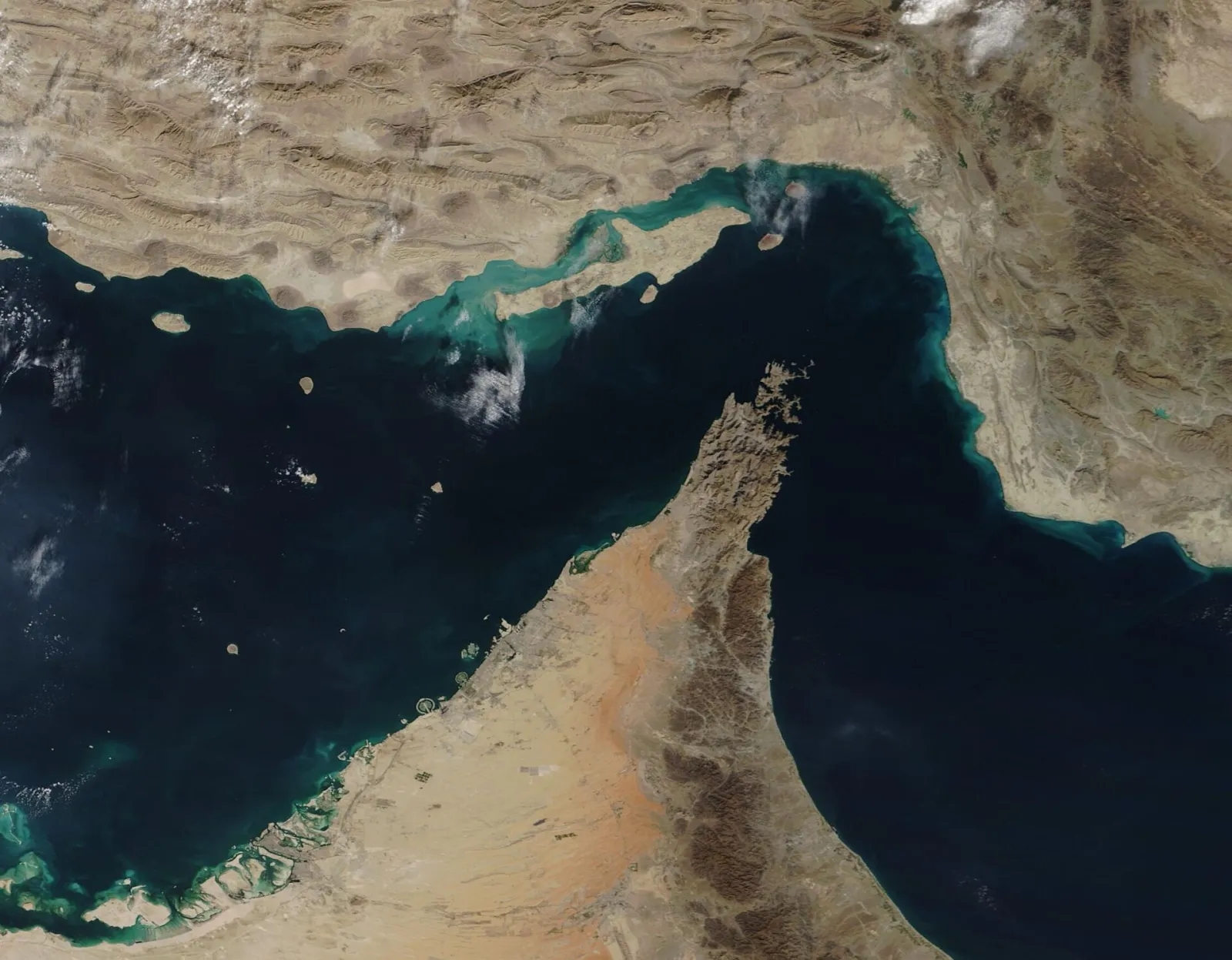
At least 12 ships were attacked in and around the Strait of Hormuz in the week to 16 October 2026, and one of them, the container ship GFS Pride, sank. The United States and Iran both claim control of the waterway, which carries a large share of the world's oil.
Key points
- The UK Maritime Trade Operations centre counted at least 12 attacks in the week to 16 October and says the true number may be higher.
- The container ship GFS Pride sank while being towed; the US blames an Iranian projectile, while Iran says it hit a mine.
- The first half of October saw more attacks on ships than any period since the war began on 28 February.
- Oil flows through the strait were about 68% of pre-war levels, according to Kpler data cited by Al Jazeera.
- Brent crude touched $110 a barrel on 16 October, its highest level since May.
Attacks on merchant ships in and around the Strait of Hormuz have surged to their highest level since the war involving Iran began on 28 February 2026, and the escalation produced its most visible casualty this week when the container ship GFS Pride sank. The UK Maritime Trade Operations centre (UKMTO), which tracks incidents in the region, counted at least 12 ships attacked in the week ending 16 October, Al Jazeera reported.
UKMTO said the real figure is probably higher because many attacked vessels do not report to it. Of the 12 attacks it confirmed, half of the ships continued on their way or reached port, one sank, two were disabled, and three were damaged or their fate was unclear. The first half of October saw more attacks than any period since the war started, according to the same reporting.
Conflicting claims
The two sides tell very different stories. The US military says a projectile fired by Iran's Revolutionary Guard hit the GFS Pride, while Iran said the ship struck a mine; the vessel sank while it was being towed towards the shore. Brad Cooper, the commander of US Central Command, said 400 ships and 100 million barrels of oil had passed through the strait over the previous week, and that the waterway “is controlled by the United States and our regional partners, not Iran.”
Iranian officials insist the opposite. Mohammadreza Naqdi, an adviser to the Revolutionary Guard's commander, said that “the Strait of Hormuz is closed and the armed forces of the Islamic Republic of Iran have full control over it,” The National reported. The Guard says ships that do not coordinate with the Persian Gulf Strait Authority, a body Iran set up during the war, are not safe.
Earlier in the month, UKMTO issued delayed reports of six vessels struck on a single day, Sunday 11 October, five of them tankers, according to The National. Among recent targets was the Panama-flagged crude carrier Gem No. 2, which was hit by a drone off the coast of the United Arab Emirates; the fire was put out and all 22 crew members were safe.
Oil and markets
The attacks are squeezing energy supplies. Oil flows through the strait averaged 11.6 million barrels a day in the seven days to 13 October, about 68% of the pre-war level of 17.1 million barrels a day, according to Kpler data cited by Al Jazeera. The international oil benchmark, Brent crude, briefly reached $110 a barrel on 16 October for the first time since May.
What happens next
Al Jazeera reported that mediators including Pakistan and Qatar are still relaying messages between Washington and Tehran, but that no breakthrough is expected soon. The United States has not responded militarily to the latest attacks, and Iran says it will continue them. Citing reports, Al Jazeera said President Donald Trump has ordered the military to be ready for larger strikes after the US midterm elections on 3 November.
Watch
Sources
This story summarises the reporting below. Follow the links for the full coverage.
- US and Iran both claim control of Strait of Hormuz amid attacks on vessels · Al Jazeera
- Strait of Hormuz attacks surge as Iran steps up campaign against US-backed oil shipping · The National
ElysiumHub Newsroom stories are researched from the sources listed above and written with AI assistance. Spotted a mistake? Tell us.