
Japan's Arara Message data breach grows to about 77 million email addresses
Paycloud Holdings said on 2 November that hackers took about 77 million email addresses from its Arara Message email delivery service, up from roughly 3 million it reported days earlier. Data from up to 380 client companies was affected, and the attackers used the service to send millions of phishing emails.
Key points
- The provisional count of stolen email addresses rose to about 77 million from about 3.01 million reported on 29 October.
- The figure counts addresses, not people; data from up to about 380 client companies was affected.
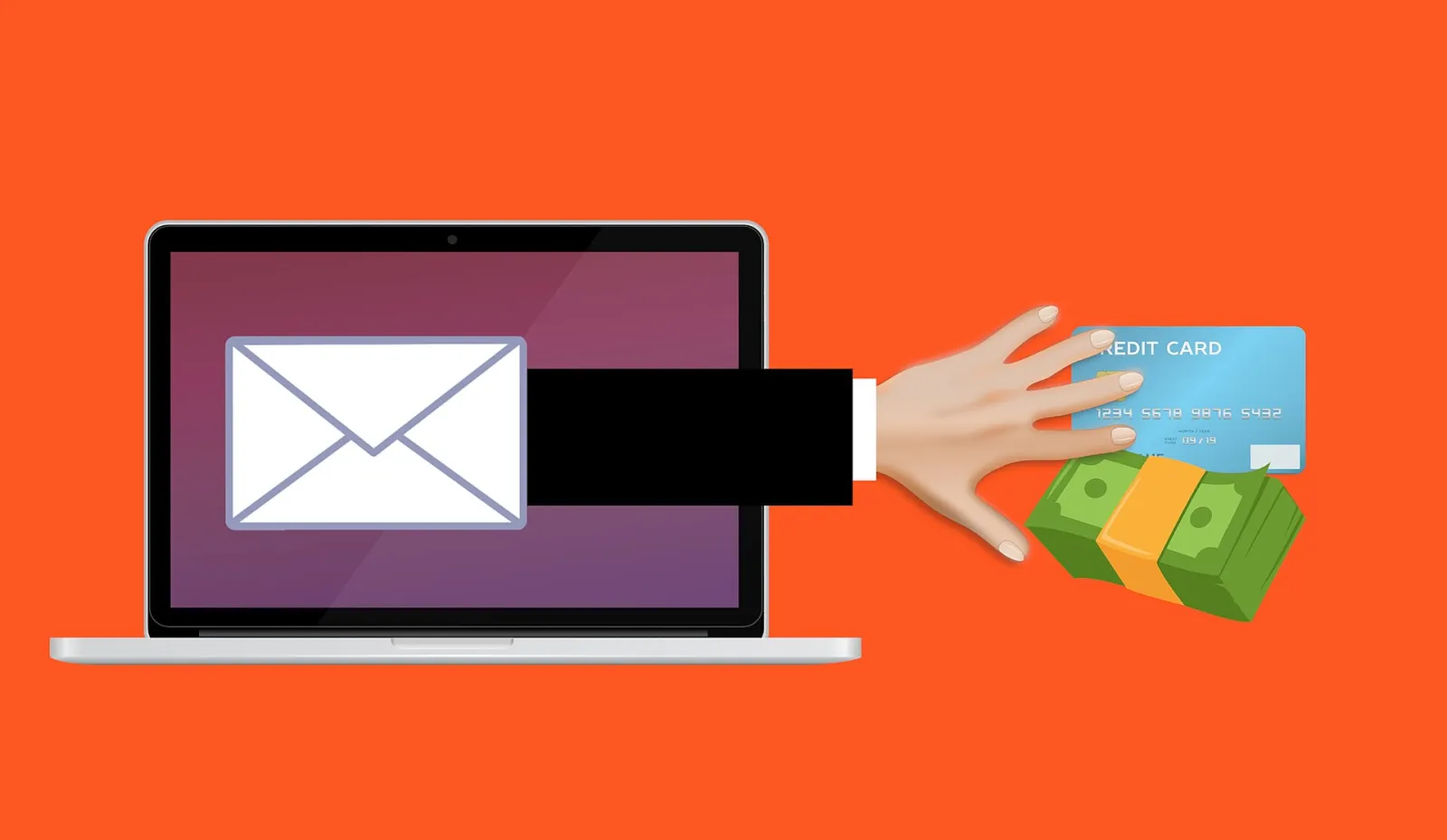
- Up to about 7.13 million phishing emails posing as credit card companies were sent through the service.
- Arara Message has been fully suspended since 31 October with no date set to restart; no credit card numbers were leaked.
The number of email addresses stolen in a cyberattack on the Japanese email delivery service Arara Message has grown to about 77 million, its parent company Paycloud Holdings said on 2 November. The provisional figure is more than 25 times the roughly 3.01 million addresses the company disclosed on 29 October.
Paycloud said the figure counts email addresses rather than people, since one person may use several addresses. Data belonging to up to about 380 companies that used the service was affected. Depending on the client, the stolen records may also include names, gender, dates of birth, phone numbers and home addresses, according to Kyodo News and the company's report. Credit card numbers were not exposed, because the service does not store them.
How the attack unfolded
According to the company's second report, as summarised by the Japanese security site SmartScope, intruders logged in to an administrative console and took data from a shared system on 27 and 28 October. Between 28 and 31 October they spread to many more servers through a compromised machine, reaching member data held in client companies' environments. Arara detected the wider intrusion on 31 October and shut down the entire service that day. It has given no date for restarting it.
The attackers also used the service to send up to about 7.13 million suspicious emails that posed as messages from credit card companies, Jiji Press reported. Arara Message is used by businesses and public bodies to send newsletters and notifications, and several client organisations, including local governments, began publishing their own notices about affected users on 3 November.
Background
The company notified the police and filed a preliminary report with Japan's Personal Information Protection Commission on 29 October. The leak comes amid a wave of breach disclosures in Japan. On the same day as Paycloud's update, the drinks group Suntory Holdings said in a separate incident that personal information of about 90,000 group employees and contractors had been exposed through unauthorised access to an external cloud service it uses.
What users should do
Paycloud has urged people to be cautious about emails and phone calls that claim to come from Arara Message or its client companies. Guidance published with the disclosure advises against clicking links in unexpected notices and suggests checking for any warning on the company's official website instead. Messages with card-related subject lines sent from Arara addresses between 28 and 30 October should be deleted, and anyone who entered card details on a linked page should contact their card issuer. Neither Arara nor Paycloud will ask for passwords or card numbers by email.
Sources
This story summarises the reporting below. Follow the links for the full coverage.
- 77 M. Email Addresses Leak from Arara Message Due to Cyberattack · Nippon.com (Jiji Press)
- Suntory, other companies report personal data leaked · Yerepouni Daily News (Kyodo News)
- SmartScope
- Massive Data Breaches Hit Japan With 77 Million Email Addresses Exposed in Subsidiary Hack · OODA Loop
ElysiumHub Newsroom stories are researched from the sources listed above and written with AI assistance. Read our editorial standards. Spotted a mistake? Tell us.